


 Bahasa: Indonesian











Solusi
Horse Construction menawarkan rangkaian lengkap material perkuatan struktur dengan dukungan teknis, dukungan dokumentasi, dukungan produk, dukungan perangkat lunak, dukungan proyek.
Aplikasi dari dua konsep desain dalam penguatan struktural jembatan

Aplikasi dua konsep desain dalamstructural penguatanjembatan
Struktur jembatan ini terkena untuk waktu yang lama, dan kinerja material pasti akan memburuk di bawah beban eksternal berulang seperti mobil, kerumunan, dan suhu, menyebabkan struktur menderita berbagai derajat kerusakan.Ditambah dengan peningkatan terus-menerus dari kendaraan kelebihan beban dan beban, banyak jembatan kewalahan dan kerusakan struktural tidak terelakkan.Namun, jembatan dengan struktur yang berbeda memiliki mekanisme kegagalan yang berbeda.Oleh karena itu, strategi penguatan struktural yang berbeda harus diadopsi.Saat ini, teori penguatan jembatan terutama dibagi menjadi teori penguatan aktif dan teori penguatan pasif, yang dijelaskan sebagai berikut:
1) Penguatan aktif
Muat struktur jembatan di depan atau mengubah sistem gaya asli dari struktur dengan menambahkan dukungan tambahan, sehingga langkah-langkah yang diterapkan kemudian akan menekankan pada saat yang sama sebagai struktur asli, dan akan bersama-sama menganggap peran beban kendaraan dan beban hidup lainnya.Jadi untuk mencapai tujuan memperkuat jembatan, itu disebut penguatan aktif.Sebagai contoh, menerapkan tekanan eksternal, meningkatkan bagian, mengubah struktur lengkungan ke struktur balok, dll.
2) Penguatan pasif
Bahan-bahan reinformatif diterapkan dalam zona ketegangan struktur untuk mengimbangi kurangnya kekuatan struktur karena kerusakan.Cideranya adalah tindakan baru hanya mengambil bagian dari struktur asli yang memiliki kapasitas bantalan yang tidak cukup, dan hanya mengambil kekuatan internal yang disebabkan oleh beban mati dan muatan kendaraan, yang disebut penguatan pasif.Sebagai contoh, menempelkan piring baja, memperbaiki batang baja pengelasan, menempel kain serat karbon, dll.
Menginformasikan kembali dengan konsep penguatan aktif dapat lebih baik memastikan kekuatan bersama dari langkah-langkah baru dan struktur asli.Deformasi koordinat, tapi karena perilaku gagal dari struktur jembatan, ada penyimpangan antara status gaya dan analisis teoritis.Terutama untuk struktur prestain, kekuatan internal sekunder disebabkan oleh deformasi struktural dan kehancuran sulit untuk menjelaskan dengan jelas.Oleh karena itu, penggunaan skema penguatan aktif cenderung menyebabkan superposisi dari internal sekunder kekuatan struktur, yang akan menyebabkan lebih merugikan efek pada struktur.
Konsep penguatan pasif diadopsi untuk penguatan, karena langkah-langkah baru berlaku setelah struktur asli.Oleh karena itu, itu tidak akan menyebabkan terlalu banyak dampak negatif pada struktur yang ada, tetapi karena gaya phased, stres dan strain bahan tambahan yang macet, dan kinerja material tidak dapat sepenuhnya dimanfaatkan, menghasilkan limbah tertentu.
Saat ini, ada banyak perdebatan tentang dua teori lingkaran rekayasa.Penulis percaya bahwa dua teori penguatan tidak memiliki benar atau salah, baik atau buruk.Jika dapat dikombinasikan dengan karakteristik yang merusak dan menggunakan persyaratan dari jembatan tertentu, pilihan yang sesuai dan teknologi yang masuk akal adalah solusi yang sukses.
Kesimpulannya, apapun teori penguatan atau teknologi penguatan diadopsi, tujuan penguatan jembatan selalu untuk meningkatkan jembatan asli & # 39; s bantalan kapasitas dan kehidupan layanan sebagai tujuan tertinggi.Secara khusus, rencana penguatan harus didasarkan pada jenis jembatan yang berbeda, teknik konstruksi yang berbeda, posisi penguatan yang berbeda dan digabungkan dengan kondisi penggunaan yang sebenarnya, memilih metode penguatan yang berbeda.
Anda dapat menemukan segala yang Anda butuhkan di sini. Percayalah dan cobalah produk - produk ini, Anda akan menemukan perbedaan yang besar setelah itu.

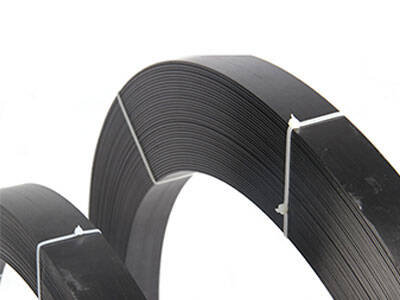
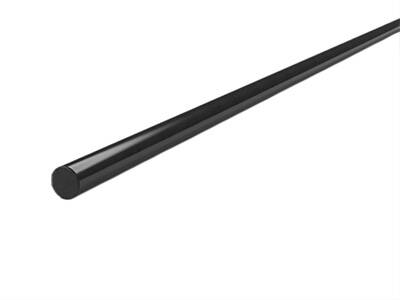
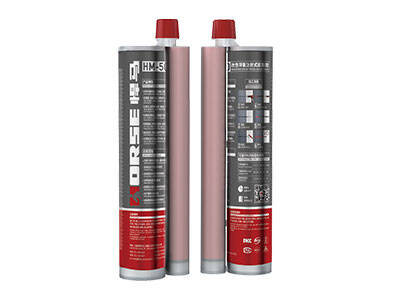
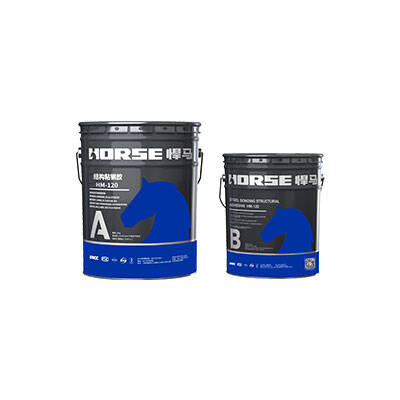
Pelat polimer bertulang serat karbon (CFRP) Horse adalah pelat komposit yang diawetkan terlebih dahulu, yang diikatkan ke struktur sebagai perkuatan eksternal dengan epoksi HM-120CP.

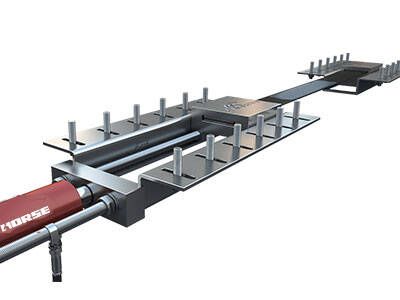
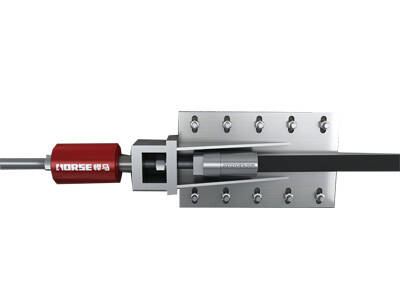
Sistem Laminasi CFRP prategang Kuda (sistem CFRP pasca-tegang) mencakup perangkat penahan dan laminasi serat karbon yang dirancang khusus untuk jembatan, bangunan, dan tulangan struktur baja.

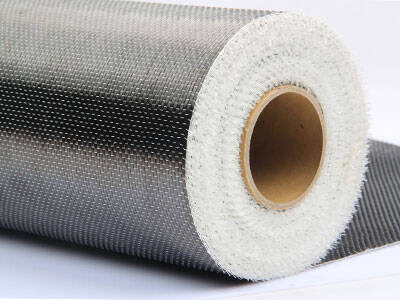
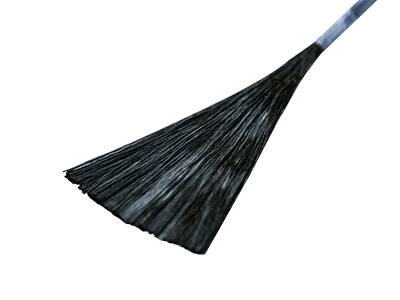
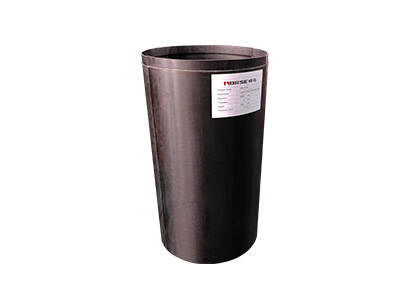
Serat karbon Horse Construction digunakan untuk perkuatan struktural, perbaikan, dan perbaikan substrat beton, pasangan bata, baja, dan kayu pada bangunan, jembatan, jalan raya, rel kereta api, terowongan, dermaga, dan bandara sipil.
